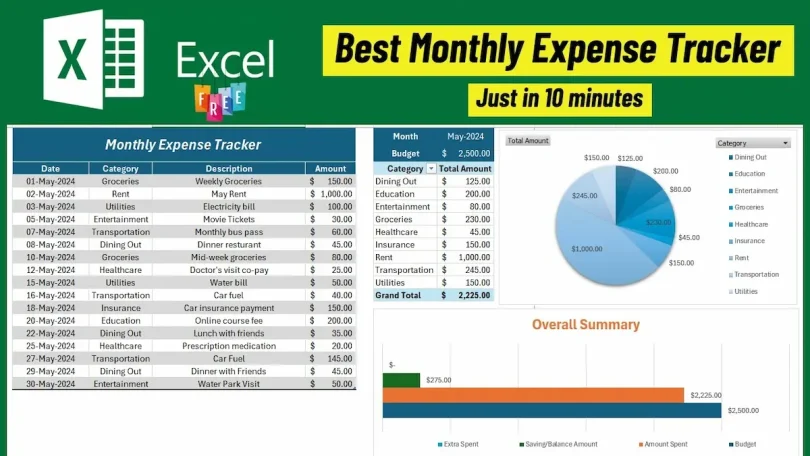

If you often feel like your money disappears before the month ends, this monthly expense tracker guide will help you take control. The idea is simple: when you clearly see where your money goes, you can make better financial decisions.
This guide is written in a practical, easy-to-follow way so you can start managing your expenses without feeling overwhelmed.
What Is a Monthly Expense Tracker?
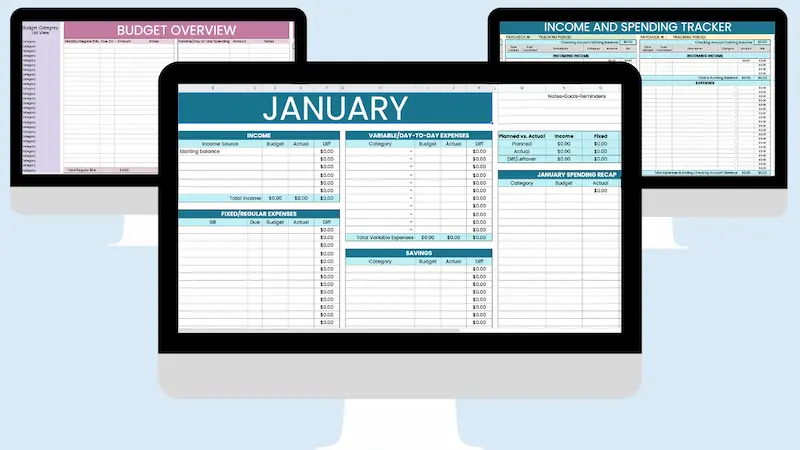
A monthly expense tracker is a system that helps you record all your income and expenses over a month. It allows you to monitor your spending habits and understand how much money you are using in different areas of your life.
This tracking can be done using:
- A notebook or diary
- A spreadsheet such as Microsoft Excel or Google Sheets
- A budgeting or expense tracking app
The purpose is not just to write numbers, but to build awareness and control over your financial life.
Why This Monthly Expense Tracker Guide Is Important
Many people struggle financially not because they earn too little, but because they don’t track their expenses. Small daily purchases, subscriptions, and unnecessary spending often go unnoticed.
Using a monthly expense tracker helps you:
- Understand your real spending habits
- Identify unnecessary expenses
- Plan your savings effectively
- Avoid overspending
- Build financial discipline
When you consistently track your expenses, you gain clarity and confidence in managing your money.
Types of Expenses You Should Track
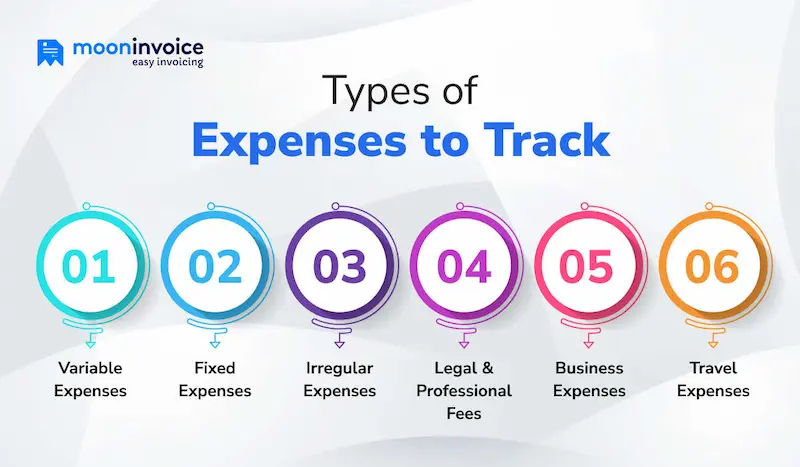
To make your tracking effective, you need to divide your expenses into clear categories. This makes it easier to analyze your spending.
Fixed Expenses
These are regular expenses that usually stay the same every month:
- Rent or mortgage
- Utility bills (electricity, gas, internet)
- Loan payments
Variable Expenses
These change depending on your lifestyle:
- Groceries
- Transportation
- Dining out
- Shopping
Occasional Expenses
These do not occur every month but still need to be tracked:
- Medical expenses
- Gifts
- Repairs
- Travel
Including all three types ensures that your monthly expense tracker gives you a complete picture.
You may also like to read this:
Smart Best Money Saving Tips at Home for Daily Savings
How To Track Daily Expenses and Build Strong Money Habits
Best Expense Tracking Methods for Beginners and Families
Best Expense Tracking App For Beginners To Control Spending
Best Simple Way To Track Spending and Save More Money
Step-by-Step Monthly Expense Tracker Guide
Let’s break down the process into simple steps so you can start immediately.
Step 1: Calculate Your Total Monthly Income
Start by listing all your income sources:
- Salary
- Freelance work
- Business income
- Any side earnings
Knowing your total income sets the foundation for your tracking.
Step 2: Choose a Tracking Method
Select a method that fits your routine:
- Manual tracking (notebook) is simple and effective
- Spreadsheets offer flexibility and calculations
- Apps provide automation and convenience
Consistency is more important than the method you choose.
Step 3: Record Every Expense Daily
This is the most important step. Write down every expense, no matter how small. Even minor purchases can add up over time.
For example:
- Tea or coffee
- Snacks
- Online subscriptions
Recording daily helps you avoid forgetting expenses.
Step 4: Categorize Your Spending
Group your expenses into categories such as:
- Food
- Housing
- Transportation
- Entertainment
- Savings
Categorization helps you analyze where most of your money goes.
Step 5: Set a Monthly Budget
After understanding your expenses, assign a limit to each category. This helps you control your spending.
For example:
- Food: 20% of income
- Rent: 30%
- Savings: 10–20%
This step turns your tracker into a powerful financial planning tool.
Step 6: Review and Adjust Weekly
Do not wait until the end of the month. Review your expenses weekly:
- Check if you are overspending
- Adjust your habits if needed
- Stay aligned with your budget
Regular review keeps you in control.
Example of a Monthly Expense Tracker Table
Here is a simple format you can use:
| Date | Category | Description | Amount |
| 1st | Food | Groceries | 5000 |
| 2nd | Transport | Fuel | 2000 |
| 3rd | Bills | Electricity | 3000 |
You can customize this table based on your needs.
Best Tools for Monthly Expense Tracking
If you prefer digital solutions, several tools can make the process easier:
- Mint – Automatically tracks spending and categorizes expenses
- YNAB (You Need A Budget) – Focuses on planning every rupee before spending
- Spendee – Simple interface for daily tracking
These tools are useful if you want automation and detailed insights.
Common Mistakes to Avoid
Even a good system can fail if you make these mistakes:
- Ignoring small expenses
- Skipping entries for a few days
- Setting unrealistic budgets
- Not reviewing your tracker regularly
- Forgetting irregular or yearly expenses
Avoiding these mistakes will improve your tracking accuracy.
Practical Tips to Stay Consistent
Building the habit of tracking is key. Here are some practical tips:
- Record expenses immediately after spending
- Set a fixed time daily to update your tracker
- Use reminders on your phone
- Keep categories simple and clear
- Review your progress at the end of each week
The easier you make the process, the more likely you are to stick with it.
Benefits of Following This Monthly Expense Tracker Guide
If you follow this monthly expense tracker guide consistently, you will start noticing real improvements:
- Better control over your money
- Increased savings
- Reduced financial stress
- Smarter spending decisions
- Clear financial goals
Over time, this habit can completely transform your financial life.
Conclusion
This monthly expense tracker guide is not about restricting your spending but about understanding it. Once you know where your money goes, you can make informed decisions and improve your financial stability.
Start small, stay consistent, and review regularly. With time, tracking your expenses will become a natural part of your routine, helping you build a more secure and stress-free financial future.
FAQs: Monthly Expense Tracker Guide
1. What is the purpose of a monthly expense tracker?
The main purpose of a monthly expense tracker guide is to help you understand where your money goes each month. It allows you to track spending, control unnecessary expenses, and improve your financial planning.
2. How do I start using a monthly expense tracker?
You can start by:
Writing down your total monthly income
Recording every expense daily
Categorizing your spending
Reviewing your expenses weekly
Even a simple notebook can work if you stay consistent.
3. Is it necessary to track small expenses?
Yes, tracking small expenses is very important. Small daily purchases like snacks or coffee may seem insignificant, but they add up and can impact your monthly budget.
4. Which is better: manual tracking or apps?
Both methods are effective:
Manual tracking (notebook or spreadsheet) is simple and gives you control
Apps like Mint or YNAB (You Need A Budget) provide automation and insights
Choose the method that you can maintain consistently.
5. How often should I update my expense tracker?
You should update your tracker daily. This ensures accuracy and helps you avoid forgetting any expenses.