
If you’ve ever reached the end of the month and thought, “Where did all my money go?”, then using an expense tracking app for beginners can genuinely change your financial life. It’s one of the simplest ways to understand your spending, build better money habits, and finally feel in control of your budget—even if you’ve never tracked expenses before.
In this detailed guide, I’ll walk you through everything in a very simple, friendly way, so you don’t feel overwhelmed. Think of it like learning step-by-step from someone sitting next to you and helping you organize your money better.
What Exactly is an Expense Tracking App for Beginners?
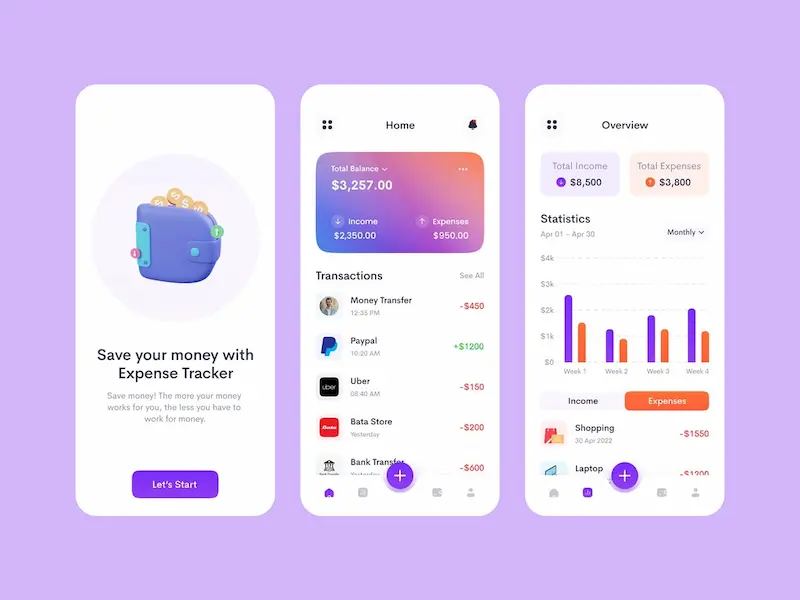
An expense tracking app for beginners is a mobile or web application designed to help you record, organize, and understand your daily financial activities.
Instead of guessing where your money goes, the app shows you a clear picture of:
- Your income (salary, pocket money, freelance earnings)
- Your daily expenses (food, transport, shopping, bills)
- Your savings (what’s left after spending)
The main goal is simple:
Help you see your money clearly so you can control it better.
You don’t need accounting knowledge or financial skills. Everything is designed to be simple, visual, and beginner-friendly.
Why You Should Start Using an Expense Tracking App
Let’s be real—most people don’t have a spending problem, they have an awareness problem. They don’t realize how quickly small expenses add up.
Here’s why an expense tracking app for beginners is so helpful:
1. You Finally See Where Your Money Goes
Many people think they only spend on “important things,” but tracking often reveals surprises like:
- Daily snacks and drinks
- Online impulse purchases
- Subscription services you forgot about
- Unplanned shopping
When you see it clearly, your mindset automatically changes.
2. You Stop Running Out of Money Mid-Month
One of the biggest benefits is control. When you track your expenses, you naturally slow down unnecessary spending because you know your limits.
3. Saving Becomes Easier
Instead of saving “whatever is left,” you start planning savings first and spending later.
Even small savings like 5–10% of your income start adding up over time.
4. You Reduce Financial Stress
Money stress often comes from confusion. Once everything is organized in an app, your mind feels calmer and more in control.
How an Expense Tracking App for Beginners Actually Works
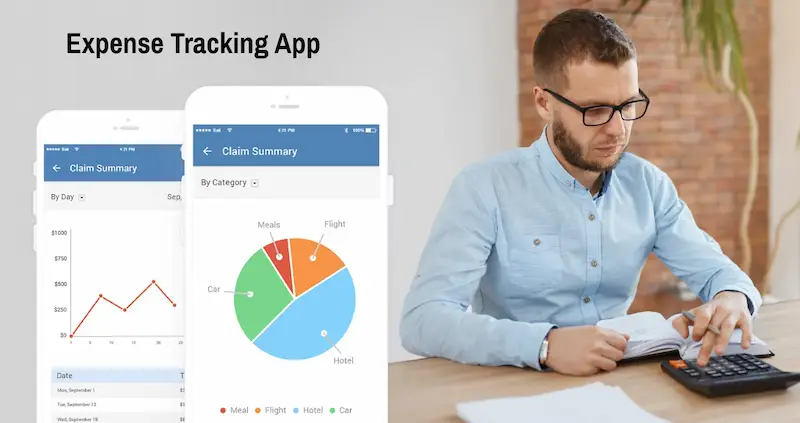
Don’t worry—it’s not complicated at all. Most apps follow a very simple system:
Step 1: Add Your Income
You enter how much money you receive each month.
Example:
- Salary: 50,000
- Side income: 5,000
Step 2: Record Your Expenses
Every time you spend money, you add it to the app:
- Food: 300
- Transport: 200
- Shopping: 1,500
Some apps even allow photo receipts or bank syncing.
Step 3: Categorization
The app automatically sorts expenses into categories like:
- Food & Dining
- Transport
- Bills
- Entertainment
- Shopping
Step 4: Reports & Charts
You’ll see visual graphs showing:
- Where most of your money goes
- How much you spent this week/month
- How close you are to your budget limit
Step 5: Insights & Alerts
Some apps give helpful alerts like:
- “You’ve spent 80% of your food budget”
- “You are saving less than last month”
You may also like to read this:
Easy Saving Ideas For Beginners To Build Strong Money Habits
How To Save Money Daily: Simple Tips That Actually Work
Smart Best Money Saving Tips at Home for Daily Savings
How To Track Daily Expenses and Build Strong Money Habits
Best Expense Tracking Methods for Beginners and Families
Setting Up Your First Expense Tracking App (Step-by-Step)
If you’re a beginner, here’s the easiest way to start:
Step 1: Download a Simple App
Choose one that has:
- Clean design
- Easy navigation
- No complicated features
Step 2: Add Your Monthly Income
Be honest and include all income sources.
Step 3: Set Basic Categories
Start with just 4–5 categories:
- Food
- Transport
- Bills
- Shopping
- Savings
Don’t overcomplicate it.
Step 4: Track Daily Spending
Make it a habit. Every time you spend money, add it immediately.
Even better—do it at night before sleeping.
Step 5: Review Weekly
Once a week, open the app and check:
- Where you overspent
- Where you saved money
- What can improve
Real-Life Example of Expense Tracking
Let’s say your monthly income is 60,000.
Without tracking:
- You spend freely
- You don’t know where money goes
- End of month = no savings
With an expense tracking app for beginners:
| Category | Budget | Spending |
| Food | 15,000 | 14,500 |
| Transport | 5,000 | 4,200 |
| Shopping | 10,000 | 12,000 |
| Bills | 20,000 | 18,500 |
| Savings | 10,000 | 10,000 |
Now you clearly see:
- Overspending in shopping
- Strong control in bills
- Consistent savings
This is the power of tracking.
Beginner Tips for Better Results
If you really want to succeed with an expense tracking app for beginners, follow these tips:
Don’t Skip Small Expenses
Even 50–100 rupees matter when added over time.
Be Consistent, Not Perfect
Missing one day is okay. Just don’t stop completely.
Set Realistic Budgets
Don’t force yourself too hard. Start small and adjust later.
Focus on Habits, Not Just Numbers
The goal is not just tracking—it’s improving your behavior.
Review, Don’t Ignore
Always check your weekly or monthly reports.
Common Mistakes Beginners Make
Avoid these if you want better results:
- Forgetting to enter expenses daily
- Ignoring small purchases
- Using too many categories
- Giving up after a few days
- Setting unrealistic savings goals
Remember, consistency matters more than perfection.
Final Thoughts
Using an expense tracking app for beginners is one of the easiest and most powerful steps you can take toward financial control. It doesn’t matter how much you earn—what matters is how well you manage it.
Once you build the habit of tracking your expenses, you’ll start noticing patterns, reducing wasteful spending, and saving more without even feeling stressed.
So if you’re serious about improving your money habits, start today. Open an app, enter your first expense, and take that small but powerful step toward financial freedom.
FAQs: Expense Tracking App for Beginners
1. What is an expense tracking app for beginners?
An expense tracking app for beginners is a simple tool that helps you record your income and daily spending. It shows you where your money goes so you can manage your budget better without needing any financial skills.
2. Do I need financial knowledge to use an expense tracking app?
No, you don’t need any financial background. These apps are designed for beginners, so everything is simple—just enter your income and expenses, and the app does the rest for you.
3. Is it safe to use an expense tracking app?
Yes, most trusted apps use strong security systems to protect your data. However, it’s always good to choose well-known apps and avoid sharing unnecessary personal information.
4. Can I use an expense tracking app for free?
Yes, many expense tracking apps for beginners offer free versions with basic features like expense recording, budgeting, and reports. Some also have premium plans for extra features.
5. How often should I update my expenses?
For best results, you should update your expenses daily. If that’s not possible, try doing it at least once every evening or a few times a week.