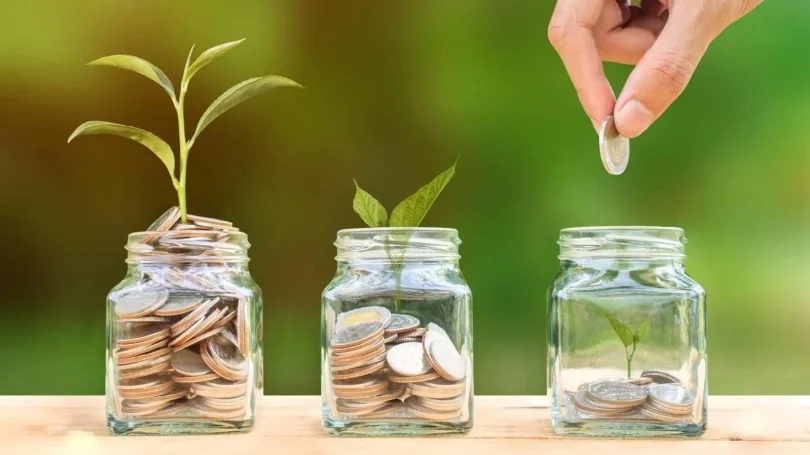

If you’re seriously trying to learn how to save money daily, then you’re not alone—and you’re definitely not late. Most people don’t fail at saving money because they don’t earn enough; they fail because money slips away in small, unnoticed daily habits.
The good news? Once you understand where your money goes each day, saving becomes much easier. Let’s break it down in a simple, practical way so you can actually apply it in your real life—not just read about it.
First, Understand This: Daily Spending Controls Your Future

Think about it for a moment. It’s not the big expenses that usually destroy your budget—it’s the small daily ones.
A tea here, a snack there, a quick ride, a random online purchase… it all looks harmless in the moment. But when you add it up over 30 days, it becomes a serious amount.
So when we talk about how to save money daily, we’re really talking about controlling the small habits that repeat every day without you noticing.
1. Track Every Single Rupee You Spend
This is the foundation. If you don’t track, you don’t know where your money is going.
Start very simply:
- Write down everything you spend in a notebook or notes app
- Don’t judge your spending—just record it
- Do it for at least 7 days consistently
After a week, you’ll start noticing patterns like:
- You spend more on food than expected
- Small “random” purchases are adding up
- Transportation costs are higher than you thought
This awareness alone can change your behavior.
2. Set a Daily Spending Limit (Not Just Monthly Budget)
Most people only think monthly, but daily control is much more powerful.
Here’s how you do it:
- Take your monthly budget
- Divide it by 30
- That becomes your daily spending limit
For example:
If your monthly budget is 30,000, your daily limit is around 1,000.
Now here’s the important part:
Once that daily limit is finished, you stop spending.
This simple rule forces discipline in a natural way.
You may also like it:
Best Simple Finance Tools For Daily Use To Track Spending
Simple Budget Tips For Beginners To Save Money Easily
Daily Budget Tips To Save Money and Improve Your Finances
3. Separate Needs from Wants (Be Honest With Yourself)
This is where most money leaks happen.
Ask yourself before every purchase:
- Do I need this today?
- Or do I just want it because I feel like it?
Needs include:
- Food
- Bills
- Transport
- Essentials
Wants include:
- Extra snacks
- Unplanned shopping
- Upgrades you don’t actually need
You don’t have to remove wants completely—but you need to control them.
4. Use the 24-Hour Rule for Buying Anything Extra
Impulse buying is one of the biggest reasons people can’t save money.
Here’s a simple trick:
If you want to buy something non-essential, wait 24 hours.
After one day:
- If you still want it, consider it
- If you forget about it, you just saved money
Most of the time, the urge disappears.
5. Carry Less Cash Than You Think You Need
This is a psychological trick that really works.
When you carry extra cash or keep your card easily accessible:
- You tend to spend more freely
- You don’t feel the “loss” immediately
Try this instead:
- Carry only your daily budget amount
- Keep extra money separate or harder to access
When money is limited in your hand, your spending automatically slows down.
6. Cut Small Daily Expenses (Without Feeling Miserable)
You don’t need a strict lifestyle change. You just need smart adjustments.
For example:
- Make tea or coffee at home instead of buying daily
- Carry homemade lunch 2–3 times a week
- Walk short distances instead of booking rides
- Avoid buying bottled drinks daily
Individually, these changes feel small. But monthly, they create a big difference.
7. Save a Small Amount Immediately When You Get Money
One of the strongest habits is: save before you spend.
When you receive money:
- Put aside 5–20% immediately
- Then use the rest for expenses
Why this works:
Because if you wait until the end of the month, there’s usually nothing left to save.
This habit trains your brain to treat saving as a priority, not an option.
8. Reduce Online Shopping Temptations
Let’s be honest—most unnecessary spending today happens on phones.
To control it:
- Unfollow shopping pages
- Turn off promotional notifications
- Avoid browsing apps when bored
- Remove saved payment methods if needed
The less you see offers, the less you feel tempted.
9. Plan Your Food Instead of Ordering Randomly
Food is one of the biggest daily expenses.
If you don’t plan, this usually happens:
- You feel hungry
- You order quickly
- You spend more than planned
Instead:
- Plan meals in advance
- Cook in batches when possible
- Keep simple snacks at home
This alone can save a lot of daily money.
10. Do a Quick Night Review (Very Important Habit)
Before sleeping, spend 2 minutes thinking:
- What did I spend today?
- Was it necessary?
- Could I have saved anything?
This builds awareness. And awareness slowly builds control.
You don’t need perfection—just consistency.
Final Thoughts
Learning how to save money daily is not about restricting your life. It’s about becoming aware of your habits and making small improvements every day.
If you try to change everything at once, you’ll fail. But if you start with just 2–3 habits from this guide, you’ll slowly notice a big difference in your savings.
Remember:
Small daily savings = big financial freedom over time.
Start today, even if it’s just one habit.
FAQs on How to Save Money Daily
1. What is the best way to start saving money daily?
The best way is to start small—track your daily spending first. Once you know where your money goes, set a simple daily budget and stick to it.
2. How much money should I save every day?
There is no fixed amount. A good start is saving 5% to 20% of your daily income. Even small amounts like 50–100 per day can grow into a meaningful savings over time.
3. Why is it so hard to save money daily?
Most people struggle because of impulse spending, lack of planning, and small unnoticed expenses that add up quickly over time.
4. Can I save money even with a low income?
Yes, absolutely. Saving is more about habits than income. Even if you earn less, tracking expenses and cutting unnecessary spending can still help you save regularly.
5. What are the easiest expenses to reduce daily?
The easiest expenses to reduce are:
Eating out or ordering food
Unplanned snacks or drinks
Unnecessary online shopping
Short-distance rides that could be walked