

If you’re just starting your financial journey, learning simple budget tips for beginners can completely transform how you manage your money. Many people think budgeting is complicated or restrictive, but in reality, it’s just a way to understand your money and use it wisely.
Think of budgeting like a roadmap. Without it, you might still reach your destination—but you’ll waste time, money, and energy along the way. With the right approach, budgeting becomes simple, practical, and even empowering.
Let’s go step by step in a clear, friendly way so you can actually apply these tips in real life.
What is Budgeting (In Simple Words)?
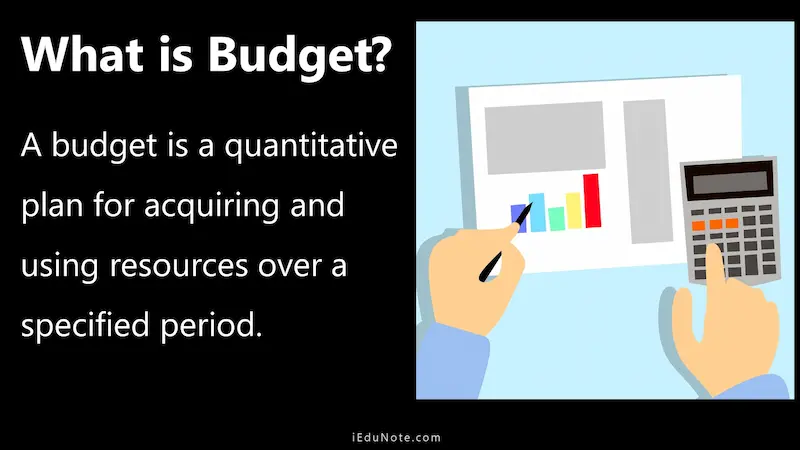
Budgeting means planning how you will spend and save your money each month.
It answers three important questions:
- How much money do I have?
- Where is my money going?
- How can I improve my spending habits?
When you follow simple budget tips for beginners, you stop guessing and start controlling your finances.
Why Beginners Should Start Budgeting Early
Starting early gives you a big advantage. Even small changes can lead to huge results over time.
Here’s why budgeting matters:
- It helps you avoid living paycheck to paycheck
- It builds savings for emergencies
- It reduces stress and financial anxiety
- It helps you achieve goals like buying a phone, car, or house
The earlier you start, the easier it becomes.
Step 1: Understand Your Income Clearly
Before planning anything, you need to know how much money you actually earn.
Include:
- Salary or wages
- Freelance or side income
- Allowances or support
Be realistic. Only count money that you receive regularly.
Step 2: Track Every Expense (Yes, Every Single One)
This is one of the most important simple budget tips for beginners.
For at least one month, track:
- Rent
- Food and groceries
- Transport
- Bills (electricity, internet, mobile)
- Entertainment
- Shopping
You might be surprised where your money is going.
Pro tip: Don’t just track big expenses—small daily spending matters a lot too.
Step 3: Categorize Your Spending
Divide your expenses into categories:
Needs (Essentials)
- Rent
- Food
- Utilities
- Transportation
Wants (Lifestyle)
- Eating out
- Shopping
- Subscriptions
- Entertainment
Savings & Investments
- Emergency fund
- Future goals
- Savings account
This separation helps you see what’s necessary and what can be reduced.
Step 4: Apply the 50/30/20 Rule
One of the easiest simple budget tips for beginners is using this rule:
- 50% for needs
- 30% for wants
- 20% for savings
Example:
If you earn 50,000 PKR:
- 25,000 for needs
- 15,000 for wants
- 10,000 for savings
You can adjust this based on your situation, but it gives a strong starting structure.
Step 5: Set Realistic Financial Goals

Budgeting becomes meaningful when you have goals.
Short-term goals:
- Buying a phone
- Saving for a trip
Long-term goals:
- Emergency fund
- Education
- Business investment
Clear goals give your money a purpose.
You may also like to read this:
Simple Guide To Apps To Manage Personal Finance in 2026
Best Tools For Saving Money To Build Strong Financial Habits
Best Simple Finance Tools For Daily Use To Track Spending
Daily Budget Tips To Save Money and Improve Your Finances
Step 6: Create a Monthly Budget Plan
At the beginning of each month:
- Write your total income
- Assign amounts to each category
- Set limits for spending
This plan acts as your financial guide for the month.
Step 7: Build an Emergency Fund (Slowly but Surely)
Unexpected expenses can happen anytime:
- Medical emergencies
- Repairs
- Job loss
Start by saving a small amount regularly.
Goal:
- At least 3–6 months of living expenses over time
This is one of the most powerful simple budget tips for beginners because it gives you financial security.
Step 8: Control Impulse Spending
Impulse buying is one of the biggest reasons budgets fail.
Before buying something, ask yourself:
- Do I really need this?
- Can I wait 24 hours before buying it?
This simple pause can save you a lot of money.
Step 9: Reduce Unnecessary Expenses
Look for areas where you can cut costs:
- Cancel unused subscriptions
- Limit eating out
- Buy only what you need
- Compare prices before purchasing
Small savings every day add up to big results.
Step 10: Use Simple Tools to Manage Your Budget
You don’t need complicated systems.
You can use:
- A notebook
- Excel or Google Sheets
- Budgeting apps
The best tool is the one you will actually use consistently.
Step 11: Pay Yourself First
This is a powerful mindset shift.
Instead of:
Spending first and saving what’s left
Do this:
Save first, then spend the remaining money
Even saving a small amount regularly builds a strong habit.
Step 12: Review and Adjust Every Month
Your budget is not fixed.
At the end of each month:
- Check where you overspent
- Identify areas to improve
- Adjust your next budget
Budgeting is a learning process, not perfection.
Common Budgeting Mistakes Beginners Make
Avoid these common errors:
- Not tracking expenses
- Setting unrealistic limits
- Ignoring small daily spending
- Not saving at all
- Giving up after one bad month
Mistakes are normal—what matters is learning from them.
Simple Daily Habits to Improve Your Budget
- Write down every expense
- Avoid unnecessary online browsing (reduces temptation)
- Carry limited cash
- Plan your purchases in advance
- Cook at home more often
These habits support your budgeting efforts.
FAQs About Simple Budget Tips for Beginners
1. How do I start budgeting with low income?
Start small. Track your expenses and save even a tiny amount. Consistency matters more than size.
2. How much should I save each month?
Aim for 20%, but if that’s difficult, start with 5–10% and increase gradually.
3. What if I fail to follow my budget?
That’s completely normal. Review what went wrong and improve next month.
4. Is budgeting time-consuming?
Not really. Once you set it up, it only takes a few minutes daily or weekly.
5. Can budgeting help me become financially independent?
Yes. Budgeting builds discipline, savings, and smart spending habits—all essential for financial independence.
Final Thoughts
Learning simple budget tips for beginners is not about restricting your life—it’s about creating freedom and control. When you know where your money goes, you make better decisions and feel more confident about your future.
Start small:
- Track your spending
- Create a simple plan
- Save regularly
Over time, these small actions will lead to big financial improvements.
Remember, you don’t need to be perfect—you just need to be consistent.