

If you’re trying to improve your financial situation, the best tools for saving money are not just “nice to have”—they can completely change how you handle your income, spending habits, and savings growth. The real issue most people face is not low income, but lack of tracking and control.
So instead of guessing where your money goes, these tools help you see everything clearly and make smarter decisions without stress.
Let’s go step by step and understand each category in detail.
1. Budgeting Apps – Your Digital Money Manager
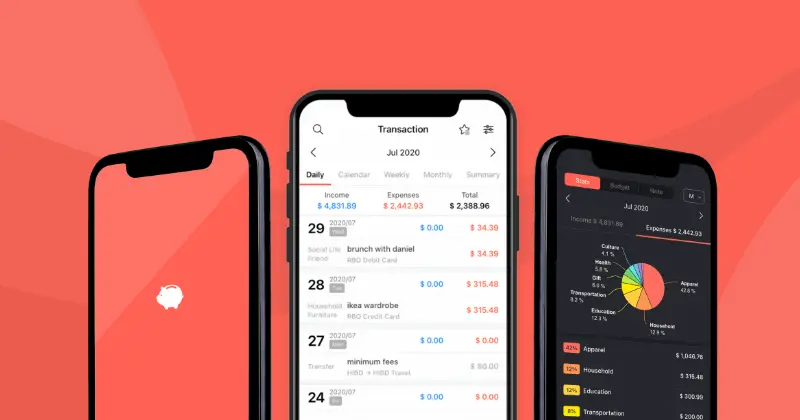
Budgeting apps are one of the best tools for saving money because they do the hard work for you. They connect to your bank account or allow manual entry and automatically categorize your spending.
How they help you:
When you open the app, you can instantly see:
- How much you earned this month
- Where your money went (food, bills, shopping, transport)
- How much you can still spend safely
- Your progress toward savings goals
Why they are powerful:
Most people don’t realize how small expenses add up. A budgeting app shows you the full picture in seconds. For example, you may think you only spent a little on food—but the app might show it’s your biggest monthly expense.
Popular tools:
- YNAB (You Need A Budget) – Best for serious budgeting and long-term planning
- Mint – Great for beginners with automatic tracking
- PocketGuard – Very simple “how much can I spend” view
If you’re new, start simple. Don’t overcomplicate it.
2. Expense Tracking Apps – Understand Your Spending Habits
Expense trackers are another set of best tools for saving money, especially if you want awareness before full budgeting.
How they work:
You manually or automatically log every expense:
- Tea or coffee
- Grocery shopping
- Mobile recharge
- Transport fares
Over time, you get a clear spending pattern.
Why this matters:
Most people say, “I don’t know where my money goes.” Expense trackers answer that exact question.
After 2–3 weeks, you’ll notice:
- Hidden unnecessary spending
- Daily small purchases that add up
- Categories where you overspend
Once you see it clearly, it becomes easier to cut down.
3. Automatic Savings Apps – Save Without Thinking
If you struggle with saving money manually, this is one of the best tools for saving money for you.
How they work:
These apps automatically move small amounts into savings:
- Round-up savings (e.g., spend 950 → 50 saved)
- Weekly auto-transfer
- Percentage-based saving from income
Why it works:
You don’t feel the pain of saving because it happens in the background. It’s like tricking your brain into saving without effort.
Real-life benefit:
Even saving a small amount daily can build a strong emergency fund over time without pressure.
4. Cashback & Reward Platforms – Get Money Back on Spending
Yes, this is real saving, not just discounts. Cashback apps are also among the best tools for saving money because they give you back a percentage of what you spend.
How they help:
- Shop online through cashback apps
- Get reward points or real cash back
- Use discounts and coupons automatically
Where you can use them:
- Online shopping
- Grocery stores
- Travel bookings
- Food delivery
Smart tip:
Don’t buy things just because of cashback. Use it only for purchases you already planned.
5. Banking Apps with Smart Alerts – Control Overspending
Modern banking apps are underrated but very powerful best tools for saving money.
Features you should use:
- Spending alerts (when you exceed limits)
- Daily/weekly expense summaries
- Low balance notifications
- Category breakdowns
Why they matter:
Sometimes we don’t realize we are overspending until it’s too late. Alerts stop that problem early.
It’s like having a financial warning system in your pocket.
You may also like to read this:
Simple Guide To Apps To Manage Personal Finance in 2026
Best Simple Finance Tools For Daily Use To Track Spending
Simple Budget Tips For Beginners To Save Money Easily
Daily Budget Tips To Save Money and Improve Your Finances
6. Spreadsheet Budgeting – Full Control Method
If you like control and simplicity, spreadsheets are still one of the best tools for saving money.
What you can track:
- Monthly income
- Fixed expenses (rent, bills)
- Variable expenses (food, shopping)
- Savings goals
- Debt payments
Why people still use it:
Even though it’s manual, it gives complete flexibility. You can design your own system exactly how you want.
Bonus tip:
If you use Google Sheets, you can access your budget from anywhere and even share it with family.
7. Goal-Based Savings Tools – Save With Purpose
Saving becomes easier when you have a goal. Some apps allow you to set targets like:
- Emergency fund
- Travel fund
- Laptop or phone purchase
- Education savings
Why this works:
Instead of “just saving money,” you save for something meaningful. That motivation keeps you consistent.
8. AI Finance Tools – Smart Future of Saving
New AI-based tools are becoming some of the best tools for saving money because they analyze your habits and give suggestions.
What they do:
- Predict future expenses
- Suggest where to cut spending
- Recommend savings plans
- Track financial goals automatically
These tools are like having a personal financial advisor in your pocket.
How to Actually Use These Tools (Simple Plan)
Here’s a practical way to start without feeling overwhelmed:
Step 1:
Install one budgeting or expense tracking app
Step 2:
Track your spending for 7 days
Step 3:
Identify 2–3 areas where you overspend
Step 4:
Start automatic savings (even small amount)
Step 5:
Review weekly and adjust slowly
Consistency matters more than perfection.
Final Thoughts
The best tools for saving money don’t magically make you rich—but they give you awareness, control, and discipline. And those three things are what actually build wealth over time.
If you start small today—just one app or one habit—you’ll slowly notice a big difference in how you manage money. The goal isn’t restriction; it’s smart control so your money works for you, not against you.
FAQs – Best Tools for Saving Money
1. What are the best tools for saving money for beginners?
For beginners, the best tools for saving money are simple budgeting apps like PocketGuard or Mint, and basic expense trackers. These tools are easy to use and help you quickly understand where your money is going without overwhelming features.
2. Do money-saving apps really help?
Yes, they do. The best tools for saving money help you track spending, avoid unnecessary purchases, and build better habits. When you can clearly see your expenses, it becomes easier to control them and save more consistently.
3. Are free money-saving tools effective?
Absolutely. Many free tools like budgeting apps, spreadsheets, and expense trackers are very effective. You don’t need to pay money to start saving money—the key is using them regularly and honestly tracking your expenses.
4. What is the easiest way to start saving money?
The easiest way is to start with an expense tracking app or a simple spreadsheet. Track everything you spend for a few weeks. This is one of the most practical ways to use the best tools for saving money effectively.
5. Can I save money without using apps?
Yes, you can. You can use notebooks or spreadsheets to track your spending. However, apps make it easier because they automate calculations and give insights instantly, which helps you save more efficiently.