
If you’ve ever reached the end of the month and thought, “Where did all my money go?” then you’re not alone. Many people struggle with tracking expenses, saving consistently, and managing income properly. This is exactly why apps to manage personal finance have become so important today.
These apps are not just tools—they are like a personal money assistant in your pocket. They help you understand your income, control your spending, and plan your financial future in a simple, structured way.
Let’s break everything down in a clear and practical way.
What Are Apps to Manage Personal Finance?
In simple words, apps to manage personal finance are mobile or web applications that help you track, organize, and control your money.
Instead of writing expenses in notebooks or guessing your budget, these apps automatically or manually record:
- Your income (salary, freelance payments, business earnings)
- Your daily expenses (food, transport, shopping, bills)
- Your savings and investments
- Your financial goals
Everything is stored in one place so you always know your financial situation.
Why Personal Finance Apps Are Becoming So Important
Money management is not just about earning more—it’s about using what you already have wisely. Many people earn good income but still struggle financially because they don’t track their spending.
Here’s why these apps matter so much today:
1. People Spend More on Small Things
A tea here, a snack there, online shopping, subscriptions—these small expenses slowly add up without you noticing.
2. Cashless Payments Make Tracking Hard
With mobile wallets, cards, and online payments, it’s easy to lose track of spending.
3. No Clear Budget Plan
Most people don’t set monthly budgets, so money gets spent randomly.
4. Lack of Financial Awareness
Without tracking, it’s hard to understand where improvements are needed.
This is where apps to manage personal finance become extremely useful—they bring clarity.
How These Apps Actually Work (Step-by-Step)
Let’s understand how you use them in real life.
Step 1: Add Your Income
First, you enter your monthly income. Some apps even allow multiple income sources like salary, business, or side jobs.
Step 2: Add Expenses
Every time you spend money, you log it into the app—or link your bank account so it updates automatically.
Step 3: Set Budget Categories
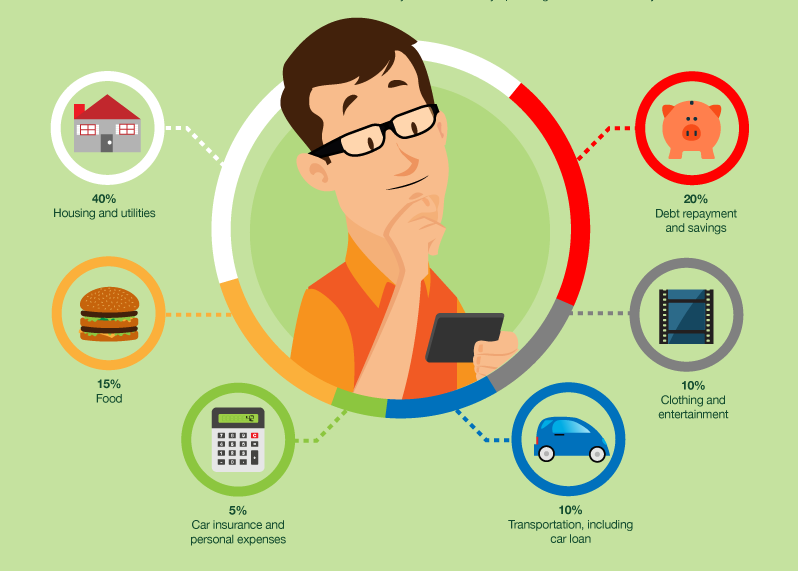
You divide your money into categories like:
- Food
- Transport
- Rent
- Entertainment
- Savings
Step 4: Track Everything in Real Time
The app shows how much you’ve spent and how much is left in each category.
Step 5: Review Reports
At the end of the week or month, you see charts showing your spending habits.
You may also like to read this:
Best Tools For Saving Money To Build Strong Financial Habits
Best Simple Finance Tools For Daily Use To Track Spending
Simple Budget Tips For Beginners To Save Money Easily
Daily Budget Tips To Save Money and Improve Your Finances
Key Features of Good Personal Finance Apps
Not all apps are equally useful. A good finance app should include:
1. Expense Tracking
Manual or automatic tracking of every transaction.
2. Budget Management
Helps you control overspending by setting limits.
3. Visual Reports
Graphs and charts that show your financial behavior clearly.
4. Bill Reminders
Never miss electricity, internet, or loan payments.
5. Savings Goals
Helps you save for specific goals like travel, gadgets, or emergencies.
6. Security Protection
Your financial data should always be encrypted and safe.
Real-Life Benefits You Will Notice
Once you start using apps to manage personal finance regularly, you’ll notice real changes in your life.
1. You Start Saving Without Stress
Even small savings become automatic when you track spending.
2. You Stop Unnecessary Spending
You’ll quickly realize where your money is being wasted.
3. You Become More Financially Aware
You start thinking before every purchase.
4. You Can Plan Bigger Goals
Buying a car, saving for studies, or traveling becomes easier.
5. Less Financial Stress
Knowing your financial situation reduces anxiety.
Common Mistakes People Make (And How to Avoid Them)
Even with apps, some people don’t get results. Here’s why:
Not Entering Expenses Regularly
Fix: Update daily or use auto-sync.
Setting Unrealistic Budgets
Fix: Start with realistic limits based on your income.
Ignoring Reports
Fix: Check weekly summaries to improve habits.
Using Too Many Apps
Fix: Stick to one simple and reliable app.
Who Should Use Personal Finance Apps?
These apps are useful for almost everyone, but especially:
- Students managing pocket money
- Salaried employees
- Freelancers with irregular income
- Small business owners
- Homemakers managing household budgets
- Anyone trying to save money
If you earn or spend money, you can benefit from them.
Tips to Use These Apps Effectively
To get maximum benefit:
- Start simple—don’t overcomplicate categories
- Track expenses daily
- Review spending every week
- Set small, achievable savings goals
- Stay consistent for at least 30 days
After one month, you’ll already see improvement in your financial habits.
Final Thoughts
At the end of the day, managing money is not about restriction—it’s about control and awareness. Using apps to manage personal finance helps you take charge of your financial life in a simple and smart way.
Instead of wondering where your money went, you’ll start knowing exactly where it went—and that knowledge alone can completely change your financial future.
If you stay consistent, even a basic finance app can help you build strong money habits, reduce wasteful spending, and grow your savings over time.
FAQs – Apps to Manage Personal Finance
1. What are apps to manage personal finance used for?
Apps to manage personal finance are used to track income, record expenses, set budgets, and help users save money. They give a clear picture of where your money is going each month.
2. Are personal finance apps safe to use?
Yes, most trusted personal finance apps use encryption and security features to protect your data. However, it’s always important to choose well-known and highly rated apps and avoid sharing login details.
3. Do I need to pay to use these apps?
Not always. Many apps to manage personal finance offer free versions with basic features like expense tracking and budgeting. Paid versions usually include advanced tools like detailed reports, investment tracking, and automatic syncing.
4. Can these apps really help me save money?
Yes. These apps help you identify unnecessary spending, set limits, and track savings goals. When you clearly see your spending habits, it becomes easier to cut down on waste and save more.
5. Do I need to manually enter every expense?
It depends on the app. Some apps require manual entry, while others can automatically track transactions by linking your bank account or mobile wallet.