
If you’re searching for a simple way to track spending, you’re already taking one of the smartest steps toward better financial control. The truth is, managing money doesn’t require complicated spreadsheets or expert-level knowledge. You just need a clear, easy system that fits into your daily routine.
In this detailed guide, I’ll walk you through a simple way to track spending in a friendly, practical way—so you can actually stick to it and see real results.
What Does “Simple Way to Track Spending” Really Mean?

A simple way to track spending means:
- Easy to follow
- Takes very little time
- Doesn’t feel overwhelming
- Works consistently in your daily life
It’s not about perfection. It’s about awareness.
When you start noticing where your money goes, you naturally begin to make better decisions.
Why Tracking Spending Is So Important
Most people think they have a money problem, but in reality, they have a tracking problem.
Without tracking:
- You overspend without realizing
- Small expenses add up quickly
- Saving becomes difficult
- You feel confused about your finances
With a simple way to track spending, you:
- Gain clarity
- Control your habits
- Reduce unnecessary expenses
- Start saving automatically
Step-by-Step Simple Way to Track Spending

Let’s break it down into the easiest steps possible.
Step 1: Record Every Expense (No Exceptions)
This is the foundation of any simple way to track spending.
Every time you spend money, write it down.
You can use:
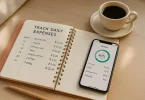
- A small notebook
- Notes app on your phone
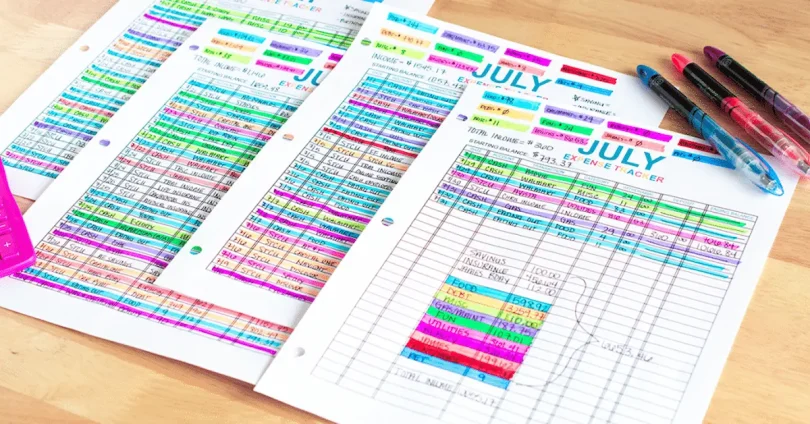
- A basic spreadsheet
Example:
- Breakfast: $2
- Transport: $3
- Snacks: $1.5
- Dinner: $6
Even tiny expenses matter. Skipping small purchases is one of the biggest mistakes people make.
Tip: Track immediately after spending so you don’t forget.
Step 2: Keep It Simple with 3 Categories
Don’t overcomplicate things. Just use these three categories:
- Needs – Rent, groceries, bills
- Wants – Shopping, eating out, entertainment
- Savings – Money you keep aside
This keeps your simple way to track spending clean and easy to understand.
Step 3: Set a Daily 2-Minute Routine
Consistency matters more than perfection.
Spend just 2 minutes daily:
- Update your expenses
- Check what you spent
That’s it. No stress, no pressure.
Think of it like brushing your teeth—small habit, big impact.
Step 4: Review Your Spending Weekly
Tracking without reviewing is useless.
Once a week:
- Add up your total spending
- See where most money went
- Identify unnecessary expenses
Ask yourself:
- Did I spend too much on wants?
- Can I cut anything next week?
This step turns your simple way to track spending into a powerful tool.
Step 5: Use a Budget Rule (Optional but Helpful)
To make your tracking even more effective, use the 50/30/20 rule:
- 50% → Needs
- 30% → Wants
- 20% → Savings
This gives your money a clear structure while still keeping things simple.
You may also like to read this:
How To Save Money Daily: Simple Tips That Actually Work
Smart Best Money Saving Tips at Home for Daily Savings
How To Track Daily Expenses and Build Strong Money Habits
Best Expense Tracking Methods for Beginners and Families
Best Expense Tracking App For Beginners To Control Spending
Tools You Can Use (Keep It Simple)
You don’t need fancy tools, but here are some helpful options:
1. Notebook Method
- Best for beginners
- No distractions
- Very easy to use
2. Mobile Apps
If you prefer digital tracking, try:
- Mint
- PocketGuard
- YNAB
These apps automatically categorize expenses and save time.
3. Spreadsheet Method
- Great for people who like organization
- Allows basic calculations
- Still simple if you keep it minimal
Best Habits for Long-Term Success
A simple way to track spending only works if you build the right habits.
Be Honest
Track everything—even unnecessary spending. This is how you improve.
Stay Consistent
Skipping days leads to losing control. Keep it daily.
Start Small
Don’t try to track everything perfectly from day one.
Keep It Simple
The more complicated your system, the more likely you’ll quit.
Common Mistakes to Avoid
Even with a simple way to track spending, people often make these mistakes:
- Ignoring small expenses
- Tracking only for a few days
- Making categories too complex
- Not reviewing spending
- Giving up too quickly
Avoid these, and you’ll already be ahead of most people.
Real-Life Example (Simple and Practical)
Let’s say you track your spending for a week:
- Food: $40
- Transport: $20
- Shopping: $35
- Snacks: $15
Total: $110
After reviewing, you realize:
- Snacks and shopping are too high
Next week:
- You reduce snacks to $5
- Skip unnecessary shopping
Boom—you just saved $45 without stress.
That’s the power of a simple way to track spending.
Benefits You’ll Start Noticing
Once you follow a simple way to track spending, you’ll see:
- Better money awareness
- More control over expenses
- Increased savings
- Less financial stress
- Smarter spending decisions
And the best part? It becomes automatic over time.
FAQs About Simple Way to Track Spending
1. What is the easiest simple way to track spending?
The easiest way is to write down every expense daily using a notebook or phone.
2. How long does it take to track spending daily?
Only 2–3 minutes if done consistently.
3. Do I need budgeting apps?
No, but apps can make tracking faster and more convenient.
4. What should I do if I forget to track?
Try setting reminders or track immediately after each purchase.
5. Can this method really help save money?
Yes. Awareness naturally reduces unnecessary spending.
Conclusion
Finding a simple way to track spending doesn’t have to be difficult. Start with small steps—write down your expenses, review them weekly, and stay consistent.
Over time, this simple habit will completely change how you handle money.
Remember, you don’t need to be perfect—you just need to start.