

If you often feel like your money disappears too quickly, you’re not alone. That’s exactly where budget planning tips for daily life can completely change the way you handle your finances. The idea isn’t to make your life strict or boring—it’s to help you feel more in control, less stressed, and more confident about your spending.
Think of budgeting like a daily habit, not a one-time task. Once you learn how to manage it naturally, you stop worrying about money all the time.
Let’s break it down in a simple, practical way.
Understanding Daily Life Budgeting (In Simple Words)

Budgeting in daily life means you are telling your money where to go instead of wondering where it went.
It’s like:
- You earn money
- You plan where every part of it will be used
- You follow that plan in your daily spending
That’s it. Nothing complicated.
For example:
If you get paid or receive allowance, instead of spending randomly, you decide:
- Some for food and essentials
- Some for transport
- Some for savings
- Some for personal spending
This small habit changes everything.
Why Budget Planning Actually Matters in Real Life
Let’s be honest. Most people don’t fail at earning money—they struggle with managing it.
Here’s what usually happens without a budget:
- You spend small amounts without noticing
- At the end of the month, you’re surprised
- You feel like your salary was too small
- You delay savings again
But when you follow proper budget planning tips for daily life, things start to shift:
You get control
You don’t panic before the next salary.
You stop wasting money
Even small unnecessary expenses become visible.
You build savings slowly
Even if it’s small, it grows over time.
You feel mentally relaxed
Because you already know your limits.
Step-by-Step Budget Planning Tips for Daily Life
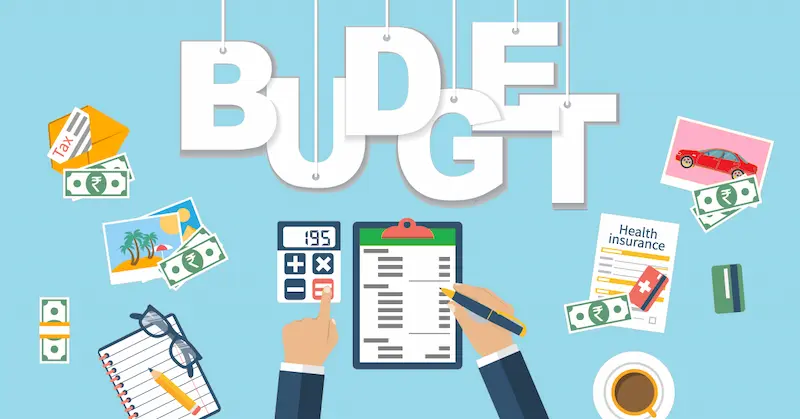
Now let’s go into the practical part you can actually use starting today.
1. Start by Tracking Every Rupee You Spend
This is the most important step.
For at least 7 days, write down:
- Food and snacks
- Travel costs
- Shopping
- Online payments
- Small random spending
You might think, “It’s just a small amount,” but that’s exactly where the problem is.
After a week, you’ll clearly see:
- Where your money is going
- What is necessary
- What is unnecessary
This is your financial reality check.
2. Create a Simple Monthly Budget
Don’t overthink it. Just divide your money into categories.
Example structure:
- 50% Needs (rent, food, bills, transport)
- 30% Wants (shopping, entertainment, eating out)
- 20% Savings
If your income is low, even:
- 60% needs
- 25% needs
- 15% savings
is perfectly fine.
The goal is not perfection. The goal is balance.
3. Break It Into Daily Limits
Monthly budgeting can feel big and confusing.
So convert it into daily spending.
Example:
If you can safely spend 15,000 per month:
- Daily budget = 500 per day
Now ask yourself every morning:
“How will I manage today within this limit?”
This one habit alone reduces overspending massively.
4. Always Plan Before You Spend
Spending without planning is the fastest way to lose control.
Before buying anything, pause and ask:
- Do I really need this today?
- Can I delay this purchase?
- Will it still matter next week?
Most of the time, you’ll realize you don’t actually need it.
This simple pause saves a lot of money.
You may also like to read this:
Simple Budget Tips For Beginners To Save Money Easily
Daily Budget Tips To Save Money and Improve Your Finances
How To Make A Monthly Budget That Actually Works
Easy Budgeting Tips For Students To Control Spending Easily
Simple Best Budget Tips For Families To Reduce Costs in 2026
5. Separate Needs and Wants Clearly
This is where many people get confused.
Needs:
- Food
- Bills
- Transport
- Basic clothing
Wants:
- Eating out
- Latest gadgets
- Extra shopping
- Entertainment
Ask yourself:
“Is this survival or comfort?”
When you clearly separate them, budgeting becomes easier.
6. Control Small Daily Expenses
Small expenses are dangerous because they feel harmless.
Examples:
- Daily tea/coffee outside
- Snacks and fast food
- Random online purchases
- Extra rides instead of walking short distances
Individually, they feel small. But monthly, they become huge.
Even reducing 100–200 per day can save thousands monthly.
7. Use Cash or Limit Digital Spending
Digital payments make spending feel “invisible.”
Try this:
- Withdraw a fixed weekly amount
- Use only that cash for daily expenses
When you physically see money leaving your hand, you naturally spend less.
8. Build an Emergency Fund (Even Small)
Life is unpredictable:
- Medical expenses
- Family needs
- Job issues
- Unexpected bills
An emergency fund protects you.
Start small:
- Even 500–1000 per week helps
- Don’t touch it unless necessary
Slowly, it becomes your financial safety net.
9. Follow the “24-Hour Rule” for Purchases
If you want something expensive or unnecessary:
Wait 24 hours before buying it
Most of the time:
- The desire disappears
- Or you realize you don’t need it
This is one of the easiest but most powerful habits.
10. Review Your Spending Every Week
Spend 10–15 minutes weekly asking:
- Did I stay within budget?
- Where did I overspend?
- What can I improve next week?
This keeps you aware and disciplined without stress.
Common Mistakes People Make
Even with good intentions, people often:
- Ignore small expenses
- Don’t track spending regularly
- Set unrealistic budgets
- Don’t save consistently
- Spend first and save later
Avoiding these mistakes is as important as budgeting itself.
A Real-Life Example
Let’s say someone earns 30,000 monthly.
Without budgeting:
- Random spending
- No savings
- Stress at end of month
With budgeting:
- 15,000 needs
- 9,000 wants
- 6,000 savings
Even if not perfect, this structure brings control and peace.
Final Thoughts
These budget planning tips for daily life are not about limiting your happiness—they are about making sure your money supports your life instead of disappearing without meaning.
You don’t need a complicated system. You just need:
- Awareness
- Small habits
- Consistency
Start small. Even tracking your expenses for a few days can open your eyes.
Once you get used to it, budgeting won’t feel like a task—it will feel like a normal part of your daily life that quietly improves everything.
FAQs on Budget Planning Tips for Daily Life
1. What are budget planning tips for daily life?
Budget planning tips for daily life are simple methods to manage your daily income and expenses so you don’t overspend, save consistently, and stay financially organized without stress.
2. Why is daily budgeting important?
Daily budgeting helps you understand where your money is going. It prevents unnecessary spending, reduces financial stress, and helps you save for future needs and emergencies.
3. How can I start budgeting if I have never done it before?
Start by tracking your daily expenses for one week. Then divide your money into basic categories like needs, wants, and savings. Keep it simple at the beginning and adjust later.
4. What is the easiest budgeting method for beginners?
The 50/30/20 rule is one of the easiest methods:
50% for needs
30% for wants
20% for savings
It gives a simple structure without complicated calculations.
5. How can I stop overspending every day?
You can control overspending by:
Setting a daily spending limit
Avoiding impulse buying
Using cash instead of digital payments
Planning purchases before buying