
If you’re trying to understand how to track daily expenses, the first thing you should know is this: you don’t need to be good with math or finance. You just need a simple system and a little discipline. That’s it.
Most people feel their money “disappears” every month, but the truth is—it’s not disappearing. It’s just not being tracked. Once you start tracking your daily spending, you gain full clarity and control over your finances.
Let’s break it down in a very easy, real-life way.
Step 1: Understand your money flow first
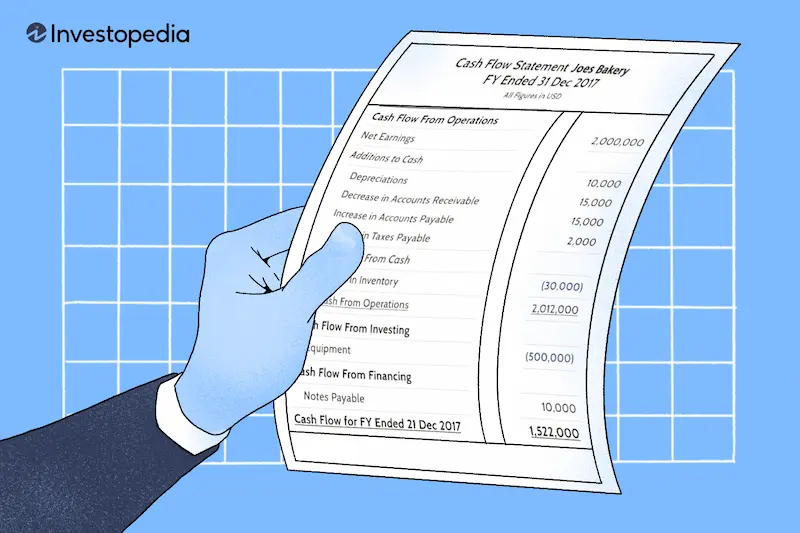
Before tracking expenses, you need to know three simple things:
- How much money do you earn monthly?
- What are your fixed expenses? (rent, bills, school fees, etc.)
- What is your flexible spending? (food, shopping, transport)
For example:
- Salary: 50,000
- Fixed expenses: 30,000
- Flexible spending: 20,000
Now your goal is to track that 20,000 carefully so it doesn’t get wasted.
Step 2: Choose a tracking method that suits you
There is no “perfect” system. The best method is the one you will actually use.
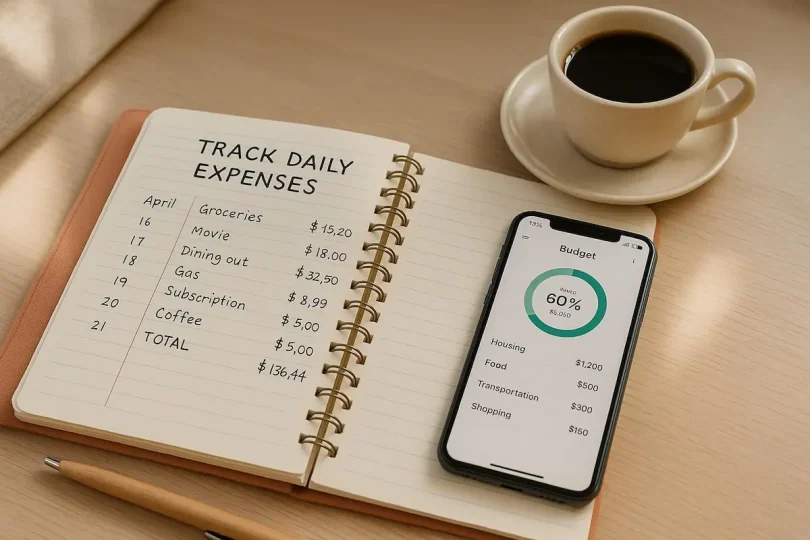
Option 1: Notebook method
Simple and effective:
- Carry a small notebook
- Write every expense immediately
- Add totals at night
Option 2: Mobile notes
If you always use your phone:
- Open Notes app
- Create a “Daily Expenses” list
- Update it throughout the day
Option 3: Spreadsheet (Google Sheets/Excel)
Best for detailed tracking:
- Create categories
- Add formulas for totals
- View monthly trends easily
Option 4: Expense apps
Some apps automatically:
- Categorize spending
- Show charts
- Track trends
But honestly, even a simple notes app works if you stay consistent.
Step 3: Record every single expense (no matter how small)
This is the most important habit in how to track daily expenses.
Even small spending matters, like:
- Tea or coffee
- Snacks
- Transport fares
- Mobile recharge
- Online purchases
Why? Because small amounts become big over time.
For example:
- 200 per day on snacks = 6,000 per month
That’s a lot when you look at it clearly.
So the rule is simple:
If money leaves your pocket, write it down immediately.
Step 4: Use categories to understand your spending
Once you start recording, don’t just collect numbers—organize them.
Common categories:
- Food & groceries
- Transport
- Shopping
- Entertainment
- Bills & utilities
- Personal care
- Miscellaneous
Now you can clearly see:
- Where most money is going
- What is necessary
- What can be reduced
For example, you might notice:
- Food delivery is your biggest expense
- Or transport is costing more than expected
This awareness is powerful.
Step 5: Track in real-time (don’t delay it)
A very common mistake is saying:
“I’ll write it later.”
Later rarely happens.
Instead:
- Write it immediately after spending
- Or keep a running total during the day
- Review it before sleeping
This one habit can completely change your financial discipline.
Step 6: Calculate your daily and weekly spending
At the end of each day or week, do a quick calculation.
Example:
Daily summary:
- Food: 500
- Transport: 200
- Other: 100
Total: 800
Weekly summary:
- Food: 3,500
- Transport: 1,200
- Shopping: 1,000
Total: 5,700
Now ask yourself:
- Was this within my budget?
- Where did I overspend?
- What can I reduce next week?
Step 7: Set realistic spending limits
Once you see your patterns, set limits.
For example:
- Food: 400 per day
- Transport: 150 per day
- Shopping: only weekends
But remember:
Don’t make limits too strict or unrealistic, or you’ll quit.
The goal is control, not restriction.
Step 8: Identify “money leaks”
After a week or two of tracking, you will notice patterns like:
- Too many snacks or drinks outside
- Unnecessary online shopping
- Repeated small purchases
- Subscription services you don’t use
These are called “money leaks.”
Fixing just one leak can save you a lot every month.
You may also like to read this:
Simple Best Budget Tips For Families To Reduce Costs in 2026
Budget Planning Tips For Daily Life To Save Money Easily
Easy Saving Ideas For Beginners To Build Strong Money Habits
How To Save Money Daily: Simple Tips That Actually Work
Smart Best Money Saving Tips at Home for Daily Savings
Step 9: Review and adjust every week
Make it a habit to review weekly:
Ask yourself:
- Did I stay within budget?
- What was my biggest expense?
- What can I improve next week?
This keeps you aware and improves your money habits over time.
Step 10: Stay consistent, not perfect
Don’t worry if you forget to track a few expenses in the beginning.
The goal is:
- Awareness
- Consistency
- Improvement
Not perfection.
Even tracking 80% of your expenses is better than tracking nothing at all.
Final thoughts
Learning how to track daily expenses is one of the simplest but most powerful financial habits you can build. It doesn’t require special skills or complicated tools—just honesty with your own spending.
Once you start tracking daily expenses, you’ll notice:
- Less stress about money
- Better control over spending
- More savings without extra effort
- Clear understanding of your financial habits
Start today—even if it’s just one day of tracking. That small step can completely change your financial future.
FAQs – How to Track Daily Expenses
1. What is the easiest way to track daily expenses?
The easiest way is to use a simple method like a mobile notes app or a small notebook. Just write every expense immediately after spending. Consistency matters more than the tool you choose.
2. Why is it important to track daily expenses?
Tracking daily expenses helps you understand where your money is going. It prevents overspending, reduces financial stress, and helps you save more by identifying unnecessary spending habits.
3. Do I need an app to track expenses?
No, you don’t need an app. You can use a notebook, spreadsheet, or phone notes. Apps are helpful, but the most important thing is regularly recording your expenses.
4. How often should I update my expenses?
You should ideally update them immediately after spending. If that’s difficult, update at least 2–3 times a day or before going to bed so nothing is forgotten.
5. What categories should I use for expense tracking?
You can keep it simple with categories like:
Food & groceries
Transport
Bills
Shopping
Entertainment
Personal care
Miscellaneous
These help you understand your spending patterns easily.