
If you’ve ever sat down at the end of the month and thought, “Where did all my money go?”—you’re definitely not alone. Learning the best expense tracking methods is one of the simplest but most powerful ways to take control of your finances, reduce stress, and start saving more without feeling restricted. When you track your spending properly, you stop guessing and start understanding your money habits clearly.
The truth is, most people don’t lose money because they don’t earn enough—they lose it because they don’t track it. So let’s go deeper into the best expense tracking methods you can actually use in real life, explained in a simple, practical way that you can start today.
1. Notebook Method (Old but Extremely Effective)
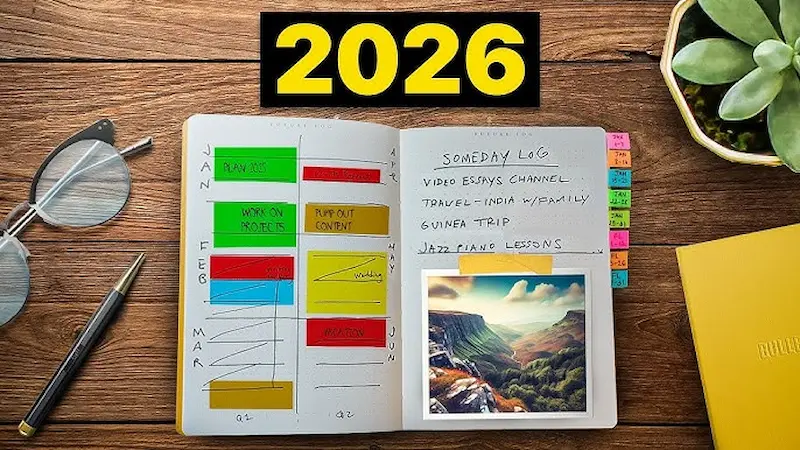
Let’s start with something basic but powerful.
The notebook method is one of the best expense tracking methods for beginners because it builds awareness instantly. You don’t need apps or internet—just a small notebook and a pen.
How to use it:
- Carry a pocket notebook everywhere
- Write every single expense right after spending
- Include date, amount, and purpose (example: “Lunch – 500”)
- At the end of the day, add everything up
Why it works:
When you physically write expenses, your brain processes spending more seriously. You naturally start thinking twice before unnecessary purchases.
Downside:
It takes discipline. If you forget to write expenses, the system breaks.
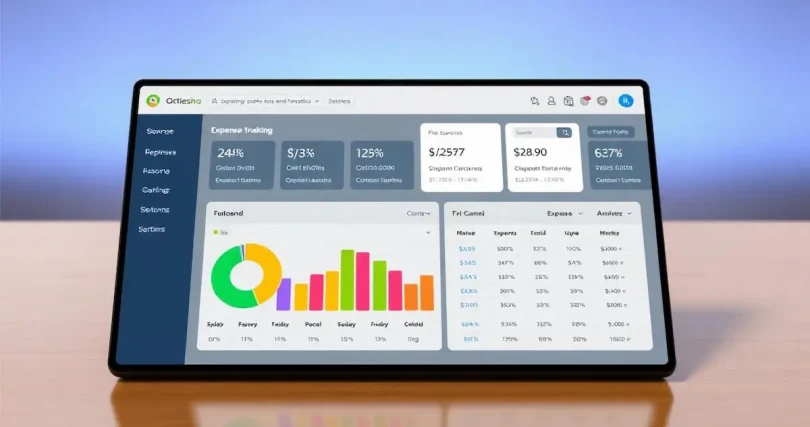
2. Mobile Expense Tracking Apps (Most Convenient Option)
If you want something faster and smarter, apps are among the best expense tracking methods today.
There are many free and paid apps that let you track everything in seconds.
What you can do with apps:
- Enter expenses instantly
- Categorize spending (food, transport, shopping, bills)
- View charts and monthly reports
- Set budgets and get alerts
Example in real life:
Imagine you buy snacks, pay for transport, and shop online in one day. Instead of writing everything manually, you just tap and enter amounts in your phone.
Why people love it:
- Fast and automatic
- No calculations needed
- Easy monthly overview
Downside:
You need consistency. If you forget to enter expenses, data becomes incomplete.
3. Spreadsheet Method (For Full Control Lovers)
If you like structure and numbers, spreadsheets like Excel or Google Sheets are one of the most powerful best expense tracking methods.
How it works:
- Create categories (food, rent, bills, savings)
- Enter daily expenses in rows
- Use formulas to calculate totals automatically
- Compare income vs spending
Example layout:
- Date | Category | Description | Amount | Total Balance
Why it’s powerful:
You can fully customize it according to your lifestyle. It also helps you clearly see patterns like overspending on food or shopping.
Downside:
It takes a bit of setup time and basic knowledge of sheets.
4. Envelope System (Best for Cash Users)

This method is very practical if you mostly use cash.
How it works:
- Divide your monthly money into envelopes
- Label them (Food, Transport, Bills, Savings)
- Spend only what is inside each envelope
Example:
If your food envelope has 10,000, you must manage all food spending within that limit.
Why it works:
It creates natural limits. Once the money is gone, you cannot overspend.
Downside:
Not ideal for digital payments or online shopping.
5. Bank Statement Tracking (Passive but Useful)
Another one of the best expense tracking methods is simply reviewing your bank or mobile wallet statements.
How to use it:
- Check weekly or monthly transactions
- Group expenses into categories
- Identify unnecessary spending
Why it helps:
Even if you don’t track daily, your bank records everything automatically.
Best for:
People who use cards, online payments, or mobile banking frequently.
You may also like to read this:
Budget Planning Tips For Daily Life To Save Money Easily
Easy Saving Ideas For Beginners To Build Strong Money Habits
How To Save Money Daily: Simple Tips That Actually Work
Smart Best Money Saving Tips at Home for Daily Savings
How To Track Daily Expenses and Build Strong Money Habits
6. 50/30/20 Rule (Simple Budget Framework)
This is not just tracking—it’s a full money management system.
Breakdown:
- 50% → Needs (rent, food, bills)
- 30% → Wants (shopping, entertainment)
- 20% → Savings or debt repayment
How it connects with tracking:
You still track expenses to make sure you’re staying within limits.
Why it’s popular:
It gives structure without being too strict.
7. Daily 5-Minute Money Review
One of the simplest but most underrated best expense tracking methods is daily review.
What to do:
- Spend 5 minutes each night
- Review your spending
- Update your tracker
- Ask yourself: “Was this necessary?”
Why it works:
Small daily habits prevent big financial mistakes later.
Final Thoughts
The best expense tracking methods are not about complexity—they are about consistency. Whether you choose a notebook, app, spreadsheet, or envelope system, the real success comes from sticking with it every day.
Once you start tracking your expenses properly, something interesting happens—you naturally start spending more wisely without even forcing yourself. You become more aware, more in control, and much more confident with your money decisions.
FAQs – Best Expense Tracking Methods
1. What are the best expense tracking methods for beginners?
For beginners, the easiest best expense tracking methods are using a simple notebook, mobile expense tracking apps, or a basic spreadsheet. These methods are easy to start and don’t require advanced financial knowledge.
2. Why is tracking expenses important?
Tracking expenses helps you understand where your money is going. It prevents overspending, improves budgeting, and helps you save more by identifying unnecessary costs.
3. Which is better: manual or digital expense tracking?
Both are useful. Manual methods like notebooks give strong awareness, while digital tools like apps and spreadsheets are faster and more accurate. The best choice depends on your lifestyle.
4. How often should I track my expenses?
Ideally, you should track expenses daily. However, if that’s difficult, reviewing them weekly is still effective for maintaining control over your budget.
5. Can I track expenses without apps?
Yes, absolutely. One of the best expense tracking methods is using a notebook or envelope system. Many people successfully manage their finances without digital tools.