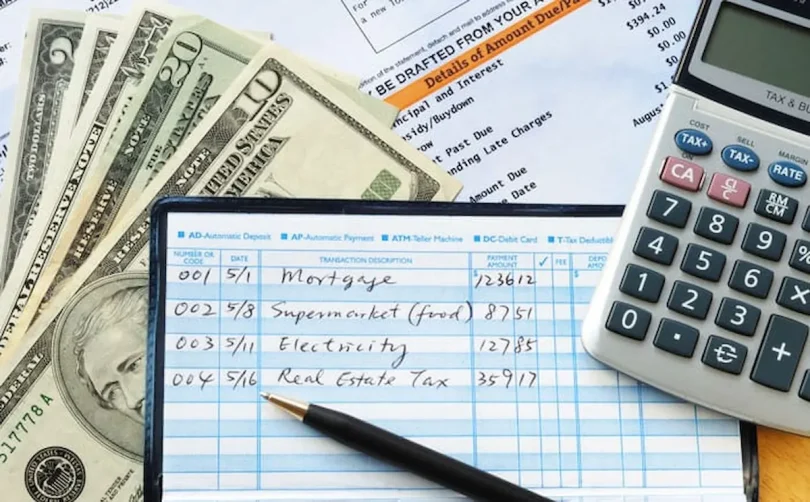

If you’re trying to understand how to make a monthly budget, you’re already taking a powerful step toward better financial control. A monthly budget is simply a plan for your money—telling it where to go instead of wondering where it went at the end of the month. And don’t worry, you don’t need advanced math skills or financial knowledge. You just need a clear system and a little discipline.
Let’s go step by step in a detailed, practical, and easy-to-follow way so you can actually apply it in real life.
What Exactly Is a Monthly Budget?

A monthly budget is a breakdown of:
- How much money you earn
- How much you spend
- How much you save
Think of it like a map for your income. Without it, money often gets spent randomly. With it, every rupee has a purpose.
A good budget helps you:
- Avoid running out of money before month-end
- Stop unnecessary spending
- Save consistently
- Plan for future goals like travel, education, or emergencies
Step 1: Calculate Your Total Monthly Income (Be Realistic)
The first and most important step in how to make a monthly budget is knowing exactly how much money you have.
Include:
- Monthly salary (after taxes or deductions)
- Freelance or side income
- Business income
- Any regular allowances or support money
Important tip:
If your income is irregular (like freelancing), calculate your average income from the last 3–6 months. Always use a conservative estimate so you don’t overspend.
Step 2: Track Every Expense (Even the Small Ones)
This is where most people get surprised. Money doesn’t disappear—it leaks through small daily spending.
Write down everything you spend money on, such as:
Fixed Expenses (Same Every Month)
- Rent or house payment
- Electricity, gas, water bills
- Internet and mobile bills
- School fees or loan payments
Variable Expenses (Change Every Month)
- Groceries
- Transport or fuel
- Eating out
- Shopping
- Entertainment
- Medical expenses
Pro tip:
Even small expenses like tea, snacks, or random online purchases matter. These “small leaks” often become the biggest reason budgets fail.
Step 3: Organize Expenses Into Categories

Now group everything into simple categories:
1. Needs (Must-have expenses)
- Food
- Rent
- Bills
- Transport
2. Wants (Lifestyle expenses)
- Shopping
- Movies
- Dining out
- Subscriptions
3. Savings & Future Planning
- Emergency fund
- Investments
- Savings goals
This step helps you clearly see where your money is going and where you can cut back if needed.
Step 4: Set Clear Financial Goals
A budget without goals feels boring. But when you attach goals, it becomes meaningful.
Ask yourself:
- Do I want to save for something specific?
- Do I want to pay off debt?
- Do I need an emergency fund?
- Am I saving for a trip, car, or education?
Example goals:
- Save 20,000 in 3 months
- Clear credit card debt in 6 months
- Build 3 months’ emergency savings
Clear goals keep you motivated even when budgeting feels difficult.
You may also like to read this:
Simple Guide To Apps To Manage Personal Finance in 2026
Best Tools For Saving Money To Build Strong Financial Habits
Best Simple Finance Tools For Daily Use To Track Spending
Simple Budget Tips For Beginners To Save Money Easily
Daily Budget Tips To Save Money and Improve Your Finances
Step 5: Choose a Budgeting Method That Works for You
There is no single “perfect” method. Pick what fits your lifestyle.
1. 50/30/20 Rule
- 50% Needs
- 30% Wants
- 20% Savings
This is simple and beginner-friendly.
2. Zero-Based Budgeting
Every rupee has a job. Income – Expenses = 0
3. Envelope System
You assign cash to categories and stop spending when the envelope is empty.
If you are just starting, the 50/30/20 rule is the easiest.
Step 6: Build Your Monthly Budget Plan
Now combine everything:
Example:
If your monthly income is 50,000:
- Needs (50%) = 25,000
- Wants (30%) = 15,000
- Savings (20%) = 10,000
Then break it down further:
- Rent: 12,000
- Bills: 5,000
- Groceries: 8,000
- Entertainment: 5,000
- Savings: 10,000
This gives you a clear structure for the month.
Step 7: Track Your Spending Daily or Weekly
Making a budget is just the start. Tracking is where the real control happens.
You can track using:
- Notebook
- Excel or Google Sheets
- Mobile budgeting apps
Simple habit:
Check your spending once a day or at least once a week. This helps you stay aware and avoid overspending.
Step 8: Adjust Your Budget as Needed
Your first budget will not be perfect—and that’s completely normal.
At the end of each month, ask:
- Did I overspend anywhere?
- Did I save enough?
- What can I improve next month?
Maybe your grocery budget was too low or your entertainment spending was too high. Adjust it. Budgeting is flexible, not fixed.
Step 9: Build an Emergency Fund (Very Important)
If you want financial stability, don’t skip this.
Try to save at least:
- 3 to 6 months of expenses
This helps you handle:
- Medical emergencies
- Job loss
- Unexpected expenses
Even saving a small amount regularly is better than nothing.
Step 10: Stay Consistent and Patient
The biggest secret in how to make a monthly budget is consistency.
You won’t become perfect in one month. But if you stay consistent:
- You’ll understand your spending habits better
- You’ll save more money
- You’ll feel less financial stress
- You’ll gain control over your life
Final Thoughts
Learning how to make a monthly budget is not about restricting yourself—it’s about giving yourself freedom. When you know where your money is going, you make better decisions, reduce stress, and build a secure financial future.
Start small, keep it simple, and improve every month. Even a basic budget is better than no budget at all.
FAQs: How to Make a Monthly Budget
1. What is the easiest way to start a monthly budget?
The easiest way is to first write down your total monthly income, then list your fixed expenses (like rent and bills), and finally track your daily spending. Start simple instead of trying to be perfect from day one.
2. How to make a monthly budget if my income is irregular?
If your income changes every month, calculate your average income from the last 3–6 months. Then base your budget on the lowest average amount to stay safe and avoid overspending.
3. How much should I save every month?
A common rule is to save at least 20% of your income. However, if that’s difficult, start with 5–10% and increase it gradually over time.
4. What are the most common mistakes in budgeting?
Some common mistakes include:
Not tracking small expenses
Spending without planning
Setting unrealistic savings goals
Not reviewing the budget monthly
Forgetting to include emergency savings
5. Do I need an app to make a monthly budget?
No, you don’t need an app. You can use a notebook or spreadsheet. However, budgeting apps can make tracking easier and faster if you prefer digital tools.