
If you’re trying to improve your money habits without making your life complicated, then learning about simple finance tools for daily use is a great starting point. The good news is you don’t need to be a finance expert or use complex systems. You just need a few easy, practical tools that fit into your daily routine and help you stay in control of your money.
Let’s go step by step and understand how these tools actually work in real life.
What Are Simple Finance Tools for Daily Use?
In simple words, these are tools that help you:
- Track your spending
- Manage your income
- Save money regularly
- Avoid unnecessary expenses
- Stay organized financially
They can be apps, websites, spreadsheets, or even basic reminders on your phone. The idea is not complexity—it’s clarity.
When you use simple finance tools for daily use, you stop guessing where your money goes and start knowing exactly how you use it.
Why You Actually Need Finance Tools in Daily Life
Let’s be honest—most people don’t have a “money problem,” they have a “tracking problem.”
You might feel like:
- “I just got paid, but I don’t know where it went.”
- “I want to save, but something always comes up.”
- “I spend too much without realizing it.”
This is where finance tools help you take control.
They help you:
- See your real spending habits
- Stop emotional or impulse spending
- Build a savings habit
- Plan your monthly budget better
- Reduce financial stress
Even small changes in tracking can make a big difference in your savings.
1. Expense Tracker Apps (Your Daily Money Recorder)
An expense tracker app is one of the most important simple finance tools for daily use. Think of it like a diary—but for money.
Every time you spend, you simply enter:
- Amount
- Category (food, transport, shopping, etc.)
- Date
What it teaches you:
After a few days, you start noticing patterns like:
- You spend more on snacks than expected
- Online shopping adds up quickly
- Small daily expenses are actually big monthly costs
Why it’s powerful:
You don’t need to guess anymore. The app shows you reality.
Even tracking for just 7–10 days can completely change how you think about money.
2. Budgeting Tools (Your Money Plan Before You Spend)
Budgeting tools help you plan your money before you spend it. Instead of asking, “Where did my money go?”, you start asking, “Where should my money go?”
Simple budgeting structure:
- 50% → Needs (rent, food, bills)
- 30% → Wants (shopping, entertainment)
- 20% → Savings
You can adjust this depending on your income, but the idea stays the same: give every rupee a purpose.
Why budgeting matters:
Without a plan, money disappears. With a plan, money works for you.
Budgeting tools help you:
- Control overspending
- Prioritize savings
- Avoid end-of-month stress
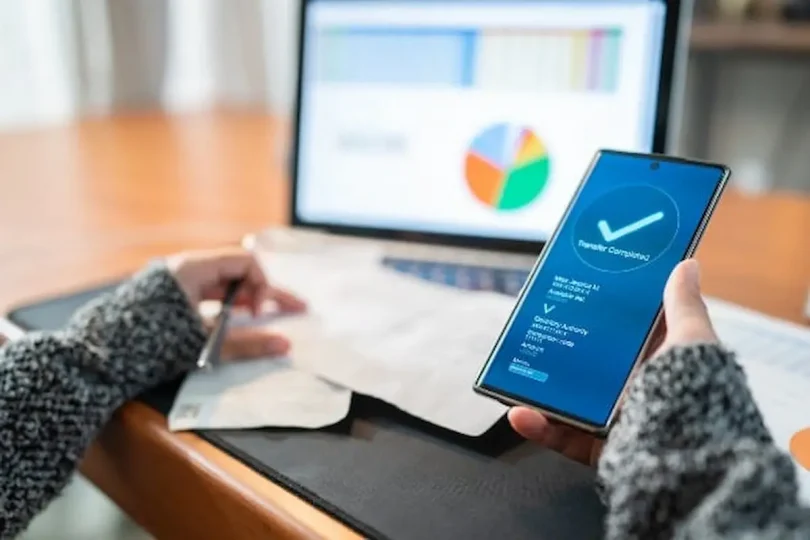
3. Digital Banking Apps (Money Control in Your Pocket)
Almost every bank now has a mobile app, and honestly, it’s one of the easiest simple finance tools for daily use.
What you can do:
- Check your balance anytime
- Transfer money instantly
- Pay bills in seconds
- View transaction history
Why it’s useful:
You don’t need to visit banks or keep paper records. Everything is already tracked automatically.
This helps you stay updated in real time, which prevents overspending.
You may also like to read this:
Simple Guide To Apps To Manage Personal Finance in 2026
Best Tools For Saving Money To Build Strong Financial Habits
Simple Budget Tips For Beginners To Save Money Easily
Daily Budget Tips To Save Money and Improve Your Finances
4. Savings Tools (Automate Your Savings)
Saving money is easy to plan but hard to follow. That’s why savings tools are so helpful—they do it for you.
How they work:
- You set a rule (example: save 10% of every income)
- The system automatically moves money into savings
- You don’t have to think about it again
Why it works:
Most people fail to save because they rely on “leftover money.” This method flips the process—you save first, then spend.
Over time, even small savings grow into a strong financial backup.
5. Bill Reminder Apps (Avoid Late Fees and Stress)
Missing bill payments can cause unnecessary penalties and stress. Bill reminder tools solve this problem easily.
What they help you track:
- Electricity bills
- Internet and mobile bills
- Rent payments
- Subscription services
Why they matter:
When you get reminders on time:
- You avoid late fees
- You stay organized
- You reduce mental pressure
It’s a small tool, but it saves both money and peace of mind.
6. Spreadsheet Tools (Simple but Very Powerful)
If you don’t like apps, spreadsheets like Excel or Google Sheets are still one of the best simple finance tools for daily use.
What you can create:
- Monthly budget sheets
- Expense tracking tables
- Savings goal planners
- Income vs expense comparison
Benefits:
- Full control over your data
- No ads or distractions
- Easy customization
- Works offline or online
Many people actually prefer spreadsheets because they can keep everything simple and personalized.
7. Cash Flow Trackers (Understand Your Money Movement)
A cash flow tracker shows how money comes in and goes out over time.
It helps you understand:
- Total monthly income
- Total expenses
- How much you save or lose
- Spending trends over time
Why it’s important:
You can’t improve what you don’t understand. This tool gives you a clear financial picture so you can make better decisions.
How to Start Using These Tools (Step-by-Step)
You don’t need everything at once. Start small and build slowly.
Step 1: Start with tracking
Use an expense tracker for at least one week.
Step 2: Add budgeting
Create a simple monthly plan for your income.
Step 3: Automate savings
Set a fixed amount to save automatically.
Step 4: Stay consistent
Check your money habits weekly.
Common Mistakes to Avoid
Even with good tools, people make simple mistakes:
- Ignoring small expenses
- Not updating data regularly
- Creating unrealistic budgets
- Using too many tools at once
- Giving up too early
Remember, consistency matters more than perfection.
Final Thoughts
Using simple finance tools for daily use is not about becoming a finance expert—it’s about becoming aware of your money. When you start tracking, planning, and saving intentionally, even small incomes start feeling more controlled and powerful.
You don’t need complicated systems or stress. Just pick one tool, start today, and stay consistent.
Because in the end, financial freedom doesn’t come from earning more—it comes from managing better.
FAQs: Simple Finance Tools for Daily Use
1. What are simple finance tools for daily use?
Simple finance tools for daily use are basic apps, software, or methods that help you track spending, manage income, create budgets, and save money easily in your everyday life without complicated systems.
2. Do I need paid apps to manage my finances?
No, you don’t need paid apps. Many free tools like expense trackers, budgeting apps, mobile banking apps, and spreadsheets are enough to manage your money effectively.
3. What is the easiest finance tool for beginners?
An expense tracker app is usually the easiest starting point. It simply records your daily spending so you can understand where your money is going.
4. How can budgeting tools help me save money?
Budgeting tools help you plan your income before spending. When you divide your money into needs, wants, and savings, you naturally avoid overspending and save more consistently.
5. Are spreadsheets better than finance apps?
It depends on your preference. Spreadsheets give full control and customization, while apps are easier and more automated. Both are useful simple finance tools for daily use.